
Education for Children: Building the Foundation for a Brighter Future
Introduction
Every child is born curious. They look at the world with wide eyes, full of questions and wonder. Education is the key that helps them make sense of this wonder — transforming curiosity into knowledge, imagination into innovation, and potential into purpose.
But education is not just about books or exams. It’s about shaping the way children think, feel, and grow into compassionate, confident, and capable individuals.
📚 What True Education Means for a Child
Education is often misunderstood as classroom learning alone. But true education begins long before a child enters school and continues far beyond it.
It includes:
- Emotional growth — helping children understand and express feelings.
- Social learning — teaching teamwork, empathy, and communication.
- Creative development — encouraging imagination through art, play, and storytelling.
- Practical knowledge — learning life skills such as problem-solving, time management, and adaptability.
When these areas blend together, education becomes an empowering journey rather than a rigid routine.
🌟 The Importance of Early Childhood Education
The first few years of life are the most crucial for brain development. According to UNICEF, 90% of a child’s brain develops before the age of five.
Early education helps children:
- Develop language and communication skills.
- Build emotional security and confidence.
- Improve cognitive and motor abilities through play-based learning.
- Learn discipline and focus naturally, not forcefully.
Investing in early education means giving children the strongest possible start in life.
🏫 Role of Schools and Teachers
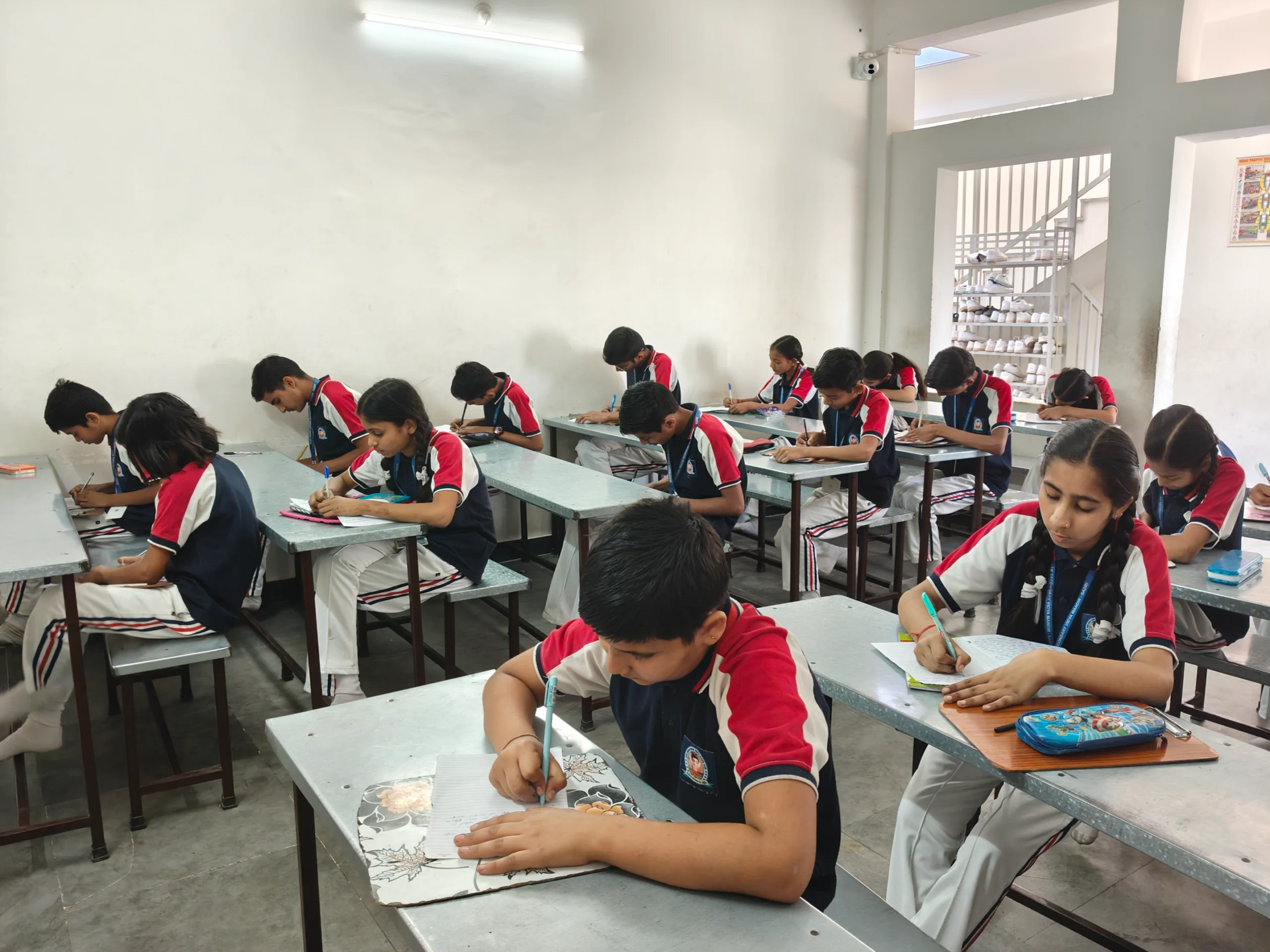
Schools are more than institutions — they are the second home for children.
A great school environment provides:
- Interactive learning instead of rote memorization.
- Encouraging teachers who focus on individual strengths.
- Safe spaces where children can fail, learn, and try again.
- Balanced education — mixing academics, creativity, sports, and moral values.
Teachers are not just educators; they are mentors who inspire children to dream and achieve.
💡 Learning Beyond Classrooms
Education should never be confined to walls.
Children learn best through experience and exploration. Simple everyday activities can teach powerful lessons:
- Cooking teaches measurements and patience.
- Gardening nurtures care and responsibility.
- Group games develop teamwork and leadership.
- Storytelling encourages imagination and expression.
Parents play a major role here — by making learning fun, engaging, and relevant to real life.
🌍 The Future of Education
Technology has transformed how children learn today. From interactive apps to virtual classrooms, learning is becoming more personalized, visual, and accessible.
However, the challenge is to balance screen learning with real-world experiences.
The future of education should focus on:
- Critical thinking over memorization.
- Creativity and adaptability over rigid systems.
- Values and empathy along with digital literacy.
In the end, education must prepare children not just for jobs — but for life itself.
💬 Conclusion
Education is not about preparing children for tests; it’s about preparing them for the world.
When we nurture curiosity, encourage kindness, and inspire resilience — we don’t just educate children; we empower future leaders, thinkers, and dreamers.
Let’s create a world where every child has access to quality education — because a brighter tomorrow begins with how we teach our children today. 🌈